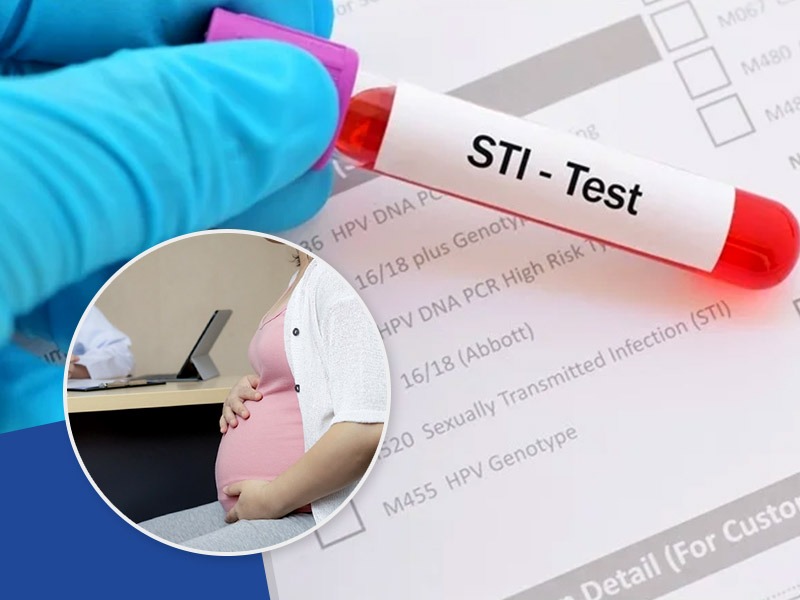
Sexually Transmitted Infections and Their Impact on Pregnancy
Sexually transmitted infections (STIs) present a significant health challenge, particularly during pregnancy, as they can directly affect both the mother's health and the fetus. Prevention, early diagnosis, and medical follow-up are essential foundations for managing these conditions. This article will discuss what STIs are, their causes, major types, their impact on pregnancy, as well as diagnostic methods, treatment, and prevention to ensure the protection of both mother and fetus from potential complications.
What are Sexually Transmitted Infections?
Sexually transmitted infections are a type of infection that spreads from one person to another through sexual contact, whether vaginal, anal, or oral.
If a woman is pregnant, the infection may be transmitted to the fetus, potentially causing serious health problems. If left untreated, STIs can lead to complications affecting both the mother and fetus. Therefore, prevention, early diagnosis, and treatment are fundamental steps to safeguard their health.
For this reason, medical guidelines recommend screening for these infections at the beginning of pregnancy, even if no symptoms are present. Repeat testing may be necessary later if symptoms develop during pregnancy or if there is an increased risk of infection.
What Causes Sexually Transmitted Infections?
STIs are infections caused by microorganisms such as bacteria, viruses, or parasites, primarily transmitted from person to person through sexual contact. However, transmission is not limited to sexual intercourse alone, as infections can also spread through various bodily fluids, including semen, blood, vaginal secretions, and in some cases, feces.
Transmission can also occur through direct skin-to-skin contact, particularly during foreplay, vaginal or anal intercourse, or oral sex. In some instances, infections may spread through contact with open wounds or using contaminated instruments like needles or unsterilized sharp medical tools.
If a pregnant woman is infected, the infection may be transmitted to the fetus during pregnancy or delivery, potentially exposing the baby to health risks.
How Do Certain STIs Affect Pregnancy?
Some sexually transmitted infections pose a direct risk to both the mother and fetus during pregnancy. The most significant STIs include:
Chlamydia:
Chlamydia is a bacterial infection that can be easily treated when detected, often requiring just a single dose of antibiotics. Infection during pregnancy poses potential risks, as it may lead to premature rupture of membranes, increasing the likelihood of preterm birth. Therefore, infected pregnant women require close monitoring, especially in the third trimester. If the infection is active during delivery, it may be transmitted to the newborn, potentially causing eye inflammation or respiratory infections, which may require immediate medical intervention.
Syphilis:
Syphilis is a sexually transmitted bacterial infection that typically begins with a painless sore in the genital area, mouth, or rectum. This disease can be effectively treated, and penicillin remains the only proven safe and effective treatment during pregnancy, usually administered as an intramuscular injection.
If the pregnant woman is allergic to penicillin, alternative treatments are not recommended, as their effectiveness in preventing fetal transmission has not been proven. Therefore, a process called desensitization may be performed, where penicillin is administered in gradually increasing doses until the body tolerates it, allowing safe treatment without endangering the mother or fetus.
Early detection of syphilis during pregnancy is crucial, as untreated infection can lead to congenital syphilis. This condition may cause severe complications such as miscarriage, stillbirth, preterm delivery, congenital malformations, low birth weight, or even neonatal death. However, treatment during pregnancy is safe, and early intervention significantly reduces potential harm to the fetus.
Human Papillomavirus (HPV):
Human papillomavirus is an infection transmitted through sexual contact, often appearing as genital warts (small skin growths in the genital area that may be smooth or rough). During pregnancy, these warts may grow more rapidly due to hormonal changes. If they become large enough to obstruct vaginal delivery, a cesarean section may be recommended. Typically, HPV is not treated during pregnancy unless the warts cause significant discomfort or complications.
If treatment is necessary, doctors can remove them safely through methods such as cryotherapy (freezing with liquid nitrogen), laser therapy, electrocautery, or minor surgical excision.
Gonorrhea:
Gonorrhea is a sexually transmitted infection that may occasionally occur in pregnant women. It is typically diagnosed through testing vaginal discharge samples. If a pregnant woman contracts gonorrhea during pregnancy, symptoms may include abnormal vaginal discharge, burning during urination, or lower abdominal pain. Over time, especially without treatment, the risk of miscarriage or preterm birth increases. If the infection is active during delivery, it may be transmitted to the baby, potentially leading to serious complications such as arthritis or blindness.
Genital Herpes:
Genital herpes infection during pregnancy requires careful medical monitoring. If the infection is inactive, the risk of transmission to the fetus is low. However, if herpes sores appear in the genital area near delivery, the likelihood of transmitting the virus to the baby during birth increases significantly, potentially causing severe health complications such as eye or nervous system infections. The infection may spread to multiple organs in the newborn, posing a life-threatening risk. Note that the virus can be contagious even before skin symptoms appear, which is why doctors often recommend cesarean delivery to protect the baby from infection.
Human Immunodeficiency Virus (HIV):
HIV is a sexually transmitted virus that can be transmitted from mother to fetus during pregnancy, delivery, or breastfeeding. Thanks to advances in medical treatments, the risk of mother-to-child transmission has been dramatically reduced and can even be prevented entirely with proper treatment. Therefore, it's crucial for HIV-positive women to consult their doctors before pregnancy to develop an appropriate treatment plan.
Generally, pregnancy does not significantly worsen the health of HIV-positive women, though some complications may occur, such as early miscarriage, low birth weight, or preterm delivery. Pregnant women with HIV are also more susceptible to other infections, such as pneumonia or urinary tract infections.
If the infant contracts HIV, symptoms typically don't appear during the first two to three months, but when they do, they vary among children. Common early symptoms include oral thrush, upper respiratory infections, and diarrhea.
Treatment during pregnancy aims to achieve two primary goals: maintaining the mother's health and preventing viral transmission to the fetus. A combination of antiretroviral drugs is usually prescribed as part of a comprehensive treatment plan tailored to each woman's health condition.
Hepatitis B:
Hepatitis B is a viral infection affecting the liver, with up to a 40% risk of mother-to-child transmission during pregnancy. If the baby becomes infected, they may become chronic carriers of the virus, increasing their risk of developing chronic liver diseases such as cirrhosis or liver failure, with potentially fatal outcomes in severe cases.
Although the virus usually doesn't affect pregnancy progression, the greatest risk occurs during delivery when the virus may be transmitted from mother to baby. Therefore, if the mother is infected, doctors monitor viral levels throughout pregnancy to determine whether antiviral treatment is needed. This treatment reduces viral load without complete eradication, thereby lowering transmission risk to the newborn.
To protect the newborn, they should receive hepatitis B immune globulin along with the hepatitis B vaccine within hours after birth, significantly reducing infection risk.
Is Breastfeeding Safe with an STI?
The safety of breastfeeding depends on the type of infection and the mother's treatment. Some infections don't pose a direct risk during breastfeeding, but in certain cases, breastfeeding may be unsafe.
For example, breastfeeding is not recommended with HIV infection, as the virus can be transmitted through breast milk. Breastfeeding should also be avoided if there are visible or open sores caused by syphilis or herpes, as contact with these sores may expose the infant to infection. Therefore, it's essential to consult a doctor before delivery if the mother has any STI to determine whether breastfeeding is a safe option for her and her baby.
What Are the Symptoms of STIs?
Often, infected individuals may not notice any signs of infection, and it may go undetected for long periods until complications arise or medical screening is performed. When symptoms do appear, they vary among individuals and may include:
- Sores, skin growths, or unusual bumps in the genital area, around the mouth, or anus.
- Pain during urination or sexual intercourse.
- Unusual discharge from the vagina or penis.
- Vaginal bleeding outside the menstrual cycle.
- Eye infections.
- Itching or irritation in the genital area.
While experiencing one or more STI symptoms doesn't necessarily confirm an infection, consulting a doctor remains crucial for proper testing and diagnosis. When planning pregnancy or during the first prenatal visit, doctors typically perform routine screening for these infections. If there are signs or suspicions that a partner may have an STI, it's advisable to consult a doctor about appropriate testing to protect the woman's health and fetal well-being.
How Are STIs Diagnosed?
Some STIs don't show obvious symptoms, making detection difficult, and infections may spread unknowingly. Therefore, medical testing is essential. Diagnostic methods vary depending on the infection type but typically involve one or more of the following:
- Urine tests.
- Swabs from affected areas.
- Blood tests.
- Clinical examination by a doctor.
If results indicate an infection, additional tests may be required for precise identification.
Can STIs Be Treated During Pregnancy?
In many cases, STIs can be treated during pregnancy, depending on the causative agent. Some bacterial infections are treated with antibiotics safe for the fetus, while viral infections may not have a definitive cure but can be managed with antiviral medications to reduce activity and minimize transmission risk to the fetus. Doctors may also implement preventive measures tailored to each case.
How to Prevent STIs During Pregnancy?
Preventing STIs is crucial for protecting both mother and fetus. Prevention can be enhanced by following these guidelines:
- Undergoing premarital screening for early detection of infectious diseases, which helps reduce transmission risk during pregnancy and promotes healthier pregnancies.
- Avoiding sexual practices that may lead to infection transmission, such as not using condoms or having unprotected sex without confirming a partner's STI status.
- Getting tested when planning pregnancy or if infection is suspected.
- Using condoms when necessary, especially if one partner has an STI.
- Regular prenatal care for early detection of any infections.
- Receiving recommended vaccinations, such as HPV and hepatitis vaccines, as advised by a doctor.
In conclusion, sexually transmitted infections can pose serious risks to pregnant women and their fetuses, particularly with delayed diagnosis or neglected treatment. Therefore, awareness, early screening, and adherence to medical recommendations are essential steps for prevention and minimizing potential complications. Maintaining reproductive health begins with knowledge, grows with responsibility, and is sustained through continuous care, especially during pregnancy, which requires heightened awareness and constant vigilance for the well-being of both mother and fetus.
Familia Care Advice
During pregnancy, it is important to screen for sexually transmitted infections (STIs) even in the absence of symptoms. Some infections may silently affect both maternal and fetal health. Prevention, early diagnosis, and proper treatment can make a significant difference in ensuring a safe pregnancy. Stay consistent with your prenatal checkups and follow medical advice to support a healthy and secure pregnancy journey.
Frequently Asked Questions
Can STIs be transmitted to the baby?
Yes, some sexually transmitted infections can be passed to the baby during pregnancy or childbirth and may lead to serious complications such as infections, birth defects, or premature delivery.
Can STIs be treated during pregnancy?
In many cases, yes. Some infections can be treated with safe antibiotics, while antiviral medications are used for viral infections to reduce complications.
What tests are necessary to detect these infections during pregnancy?
Required tests include urine analysis, vaginal swabs, blood tests, and physical examinations, usually performed during the first prenatal visits.
Do STIs always cause symptoms?
No, many STIs do not cause noticeable symptoms, and infections may only be discovered through medical testing. Early diagnosis is crucial.
What are the preventive measures to avoid STIs during pregnancy?
Key measures include premarital screening, regular prenatal checkups, condom use when necessary, and avoiding high-risk behaviors.
Is breastfeeding safe if the mother has an STI?
It depends on the type of infection. In cases like HIV or visible genital ulcers, breastfeeding is not recommended to avoid transmission to the infant.
Can HPV be prevented during pregnancy?
HPV vaccination is not recommended during pregnancy, but infection prevention and monitoring for genital warts with your doctor are advised.
What advice should a pregnant woman with an STI follow?
Follow prescribed treatment, attend regular checkups, avoid sexual activity until the infection clears, and follow preventive guidance to protect the baby.